
How Does Physical Therapy Help Seniors Recover After a Hospital Stay?
August 27, 2026
Leaving the hospital is a milestone, but recovery often needs a little more time and support before home feels safe again
For many seniors, the first days and weeks after a hospital stay can be a vulnerable time. There may still be weakness to work through, new medications to learn, a surgical wound to care for, mobility challenges to manage, or changes in how a chronic health condition is handled day to day. Without the right support, those challenges can sometimes lead to complications and an unexpected return to the hospital.
Skilled nursing facilities help bridge the gap between hospital care and a safe return home. By combining skilled nursing, rehabilitation, medication management, medical monitoring, and discharge planning, these facilities give patients an opportunity to keep recovering in a structured, supportive environment. For families considering New Bern rehab for seniors, understanding how skilled nursing care supports recovery can make it easier to choose the right next step after hospitalization.
Jump To Section
The Transition Period
Why Are the Weeks After Hospitalization So Important?
A patient may be medically stable enough to leave the hospital and still not be strong or independent enough to manage safely at home. That distinction matters a great deal.
Hospital treatment generally focuses on stabilizing an acute condition, performing a necessary procedure, or addressing an immediate medical problem. After discharge, the patient may still need time to regain strength and learn how to manage new limitations.
Older adults can be especially vulnerable after a hospital stay, because even a relatively short period of inactivity contributes to weakness and reduced endurance. A senior who previously walked independently might now struggle to get out of a chair, climb stairs, or safely reach the bathroom. Other challenges often show up at the same time:
New prescriptions that need to be sorted out alongside existing medications
Symptom monitoring that requires knowing which changes are expected and which are not
Incision care that has to be done consistently and correctly at home
Eating and drinking adequately when appetite and energy are still low
Complex discharge instructions that can be difficult to follow without guidance
A rehabilitation center in New Bern can provide extra support during this transition so these concerns are addressed before they grow into larger problems.
Clinical Observation
Skilled Nursing Provides Ongoing Medical Monitoring
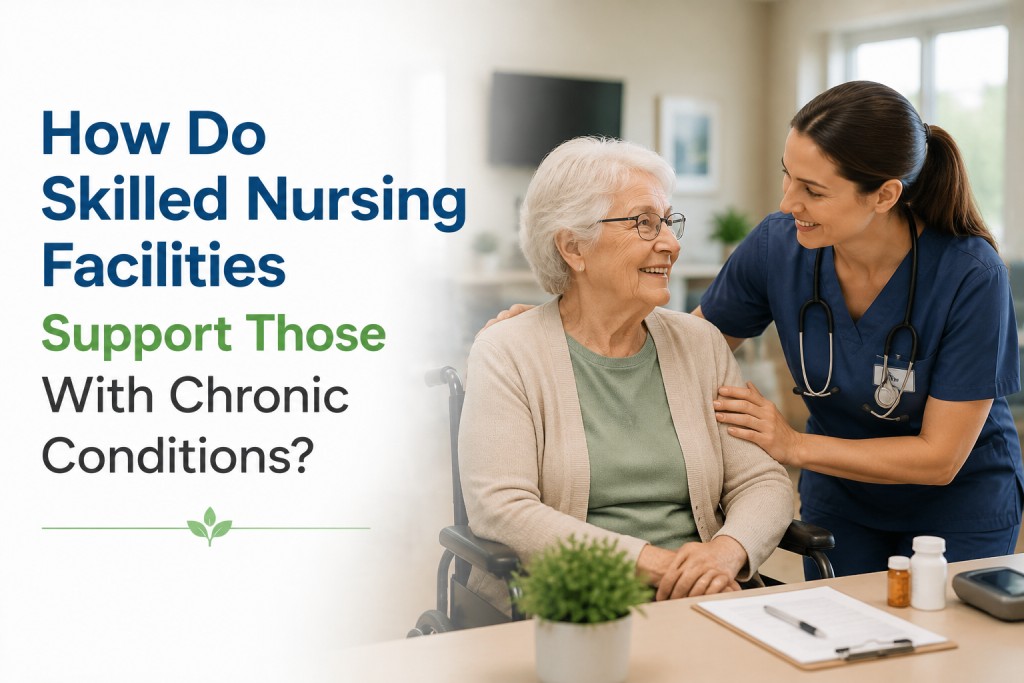
One of the most important ways a skilled nursing facility reduces the risk of readmission is through steady clinical observation. Nurses monitor vital signs, symptoms, pain, wounds, medications, nutrition, hydration, and other aspects of a patient’s health, so changes can be recognized early and communicated to the appropriate healthcare provider.
What that looks like depends on the person:
After surgery, an incision may need to be watched closely for signs of complications
After an illness, changes in breathing, energy, appetite, or cognition are observed carefully
With chronic conditions, additional monitoring helps as the patient adjusts to changes in medications or routines
The goal is not to assume every change requires a trip back to the hospital. Careful monitoring helps the care team notice concerns early and decide on the appropriate response.
Medication Safety
Medication Management Helps Reduce Potential Problems
Medication routines can become complicated after a hospital stay. Patients often come back with a list that has changed in several ways at once:
New prescriptions added during the hospital stay
Medications that have been discontinued
Dosage changes to medications the patient was already taking
Detailed instructions about when certain medications should be taken
For an older adult already managing several prescriptions, these changes can be confusing. Skilled nursing professionals administer medications according to physician orders while watching for potential side effects and changes in condition, and they can bring questions or concerns to physicians and other providers when necessary.
Medication education is another important part of preparing for discharge. Before heading home, patients and caregivers should understand which medications need to be taken, when to take them, and any special instructions from the medical team. That shift from supervised medication management to greater independence is a meaningful part of post hospitalization New Bern rehabilitation.
Regaining Strength
Rehabilitation Helps Patients Become Stronger Before Going Home
Medical stability is only one part of a safe discharge. A senior also needs to be physically capable of functioning in their own home environment. Physical, occupational, and speech therapy each address different challenges after a hospital stay:
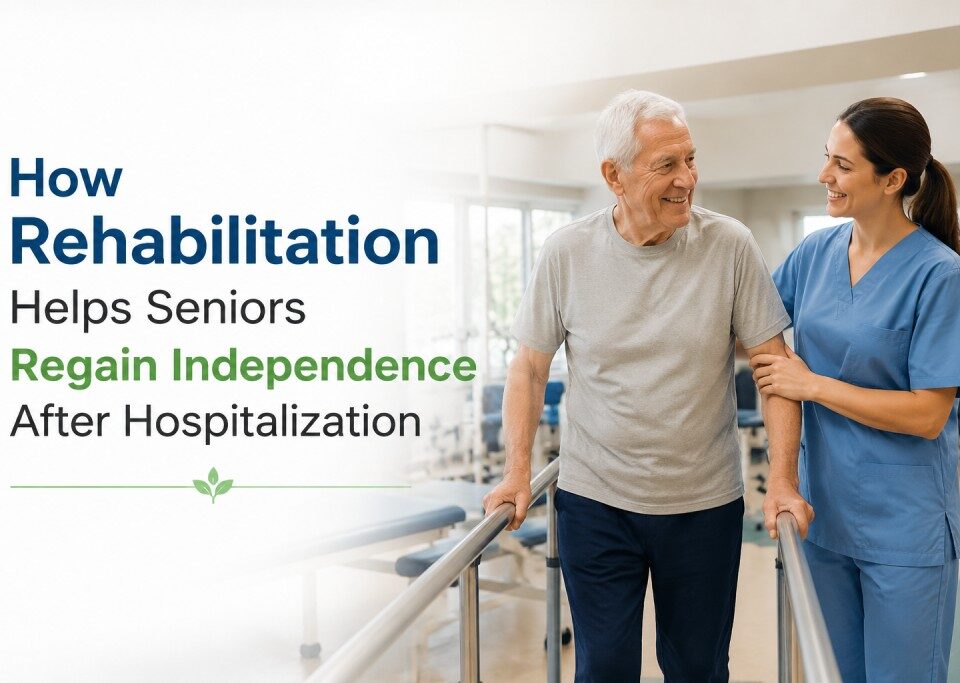
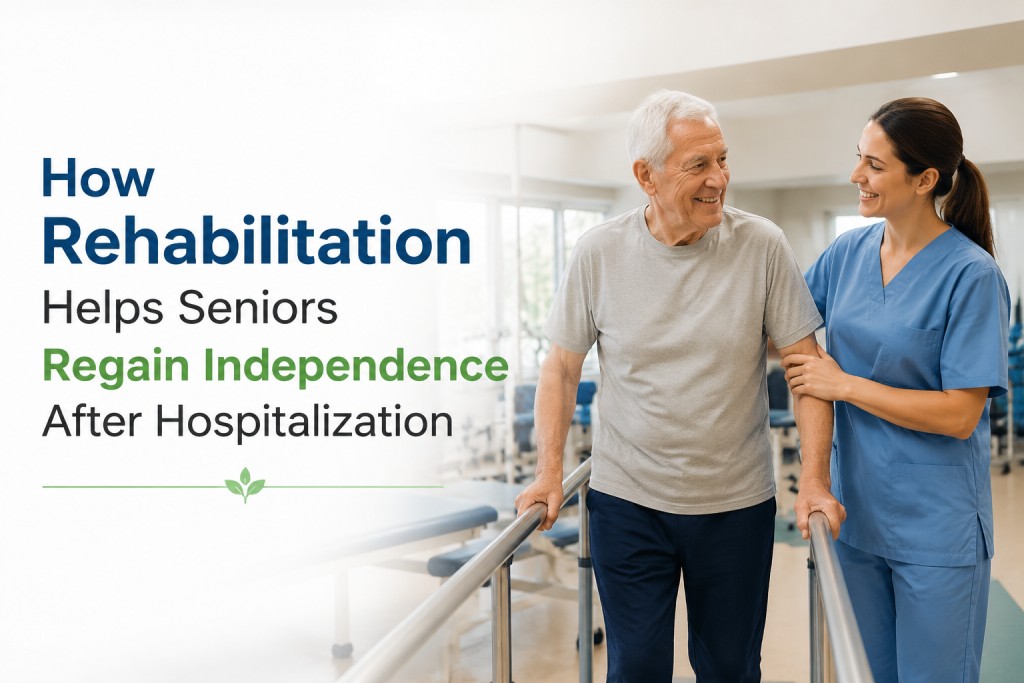
Physical therapy focuses on strength, balance, endurance, walking, and safe use of mobility aids
Occupational therapy helps patients regain everyday abilities such as dressing, bathing, toileting, and preparing simple meals
Speech therapy addresses communication, cognitive skills, or swallowing difficulties when they are needed
These therapies are not simply about completing exercises. They are designed to help patients regain practical abilities that support greater independence. For someone who has to climb several steps to get through the front door, stair training becomes an important goal. A patient who lives alone may need to show they can safely get in and out of bed or use the bathroom before discharge. By working through those specific concerns during rehabilitation, patients go home better prepared for everyday life.
Safety First
Fall Prevention Is an Important Part of Recovery
Falls are a real concern after a hospital stay, particularly when a patient is weak, taking new medications, or adjusting to an assistive device. A skilled nursing rehabilitation program evaluates balance, strength, and walking ability while giving patients supervised opportunities to practice safe movement.
Therapists may recommend a walker or cane and teach the patient how to use it properly. They also work on transfers, turning, navigating obstacles, and the other everyday situations that commonly present challenges at home. Before discharge, families often receive recommendations for making the home environment safer:
Removing loose rugs that can catch a foot or a walker
Improving lighting in hallways, stairwells, and bedrooms
Clearing walkways so there is room to move with a cane or walker
Installing appropriate safety equipment such as grab bars or a shower seat
No care setting can guarantee that a fall or a readmission will never happen. What a good program can do is identify the risks and prepare patients to manage them, which contributes to a safer transition home.
Fuel For Healing
Nutrition and Hydration Support Healing
Proper nutrition and hydration are easy to overlook during recovery, yet both matter for healing, strength, and overall health. Seniors often experience reduced appetite after a hospital stay because of illness, pain, medications, fatigue, or changes in taste. Others may have swallowing difficulties or dietary restrictions tied to a medical condition.
In a skilled nursing setting, nutritional needs become part of the overall care plan. Staff can monitor intake and raise concerns when a resident is not eating or drinking enough. This support is particularly important for patients recovering from surgery or illness, because the body needs sufficient energy and protein to repair tissue and rebuild muscle.
Working Together
Coordinated Care Keeps Everyone on the Same Page
Successful recovery usually involves many people: physicians, nurses, therapists, specialists, social workers, patients, and family members. Without good communication, important information gets missed as a patient moves between care settings.
Skilled nursing facilities help coordinate the next stage of recovery by reviewing hospital discharge information and building physician recommendations into the care plan. The interdisciplinary team then keeps talking with one another about progress, new concerns, and discharge goals.
Family involvement is valuable too. Care plan meetings give loved ones a chance to ask questions, understand how recovery is going, and learn what assistance may be needed once the patient is home. This coordinated approach is one of the things families should look for when selecting a rehabilitation center in New Bern.
Planning Ahead
Discharge Planning Begins Before the Patient Goes Home
Preventing avoidable setbacks does not end when a rehabilitation stay is complete. Preparing patients for what comes next is just as important, and that preparation usually includes:
Medication education so patients and caregivers know what to take and when
Home safety recommendations tailored to the layout of the patient’s own home
Instructions for continuing exercises that keep progress moving forward
Follow up appointments scheduled with the right providers
Assistive equipment arranged and ready before the patient walks through the door
Coordination with additional services when extra support is appropriate
The rehabilitation team also helps patients and families understand which signs or symptoms should be reported to a healthcare provider. The aim is to make the move home as organized as possible. Instead of leaving rehabilitation with unanswered questions, patients should have a clear picture of how to keep supporting their own recovery.
Care In New Bern
Supporting Recovery at Bayview Nursing & Rehabilitation Center
At Bayview Nursing & Rehabilitation Center in New Bern, NC, we know the transition after a hospital stay can be challenging for seniors and for the families walking beside them. Our team provides skilled nursing and rehabilitation services designed to address the medical, physical, and functional needs that continue after a hospital discharge.
Through individualized care plans, skilled nursing support, physical, occupational, and speech therapy, and coordinated discharge planning, we help patients work toward a safer and more confident return home. Families are welcome to reach out to our admissions team with questions at any point in the process.
For families researching New Bern rehab for seniors, it helps to choose a provider that looks beyond the immediate reason for hospitalization and considers the whole recovery journey. Every patient arrives with different strengths, challenges, medical needs, and goals, which is exactly why personalized care matters.
Looking Ahead
Building a Safer Path From Hospital to Home
Hospital readmissions happen for many reasons, and not every return to the hospital is preventable. Still, careful monitoring, medication management, rehabilitation, fall prevention, nutrition support, and thoughtful discharge planning address many of the challenges seniors face after a hospital stay.
Quality post hospitalization New Bern rehabilitation gives patients time to recover while surrounded by professionals who can watch over their health and help them rebuild the abilities everyday life requires.
At Bayview, our goal is to help each patient make meaningful progress toward greater strength, independence, and confidence. By combining skilled nursing with personalized rehabilitation and coordinated care, we help build a stronger bridge between leaving the hospital and successfully returning home.
Planning a Safe Recovery After a Hospital Stay?
Our team in New Bern, NC is here to answer your questions, walk you through what short term rehabilitation looks like, and help you plan the next step. Schedule a tour or talk with our admissions team today.