
How Do Skilled Nursing Facilities Support Those With Chronic Conditions?
July 17, 2026
How Does Physical Therapy Help Seniors Recover After a Hospital Stay?
August 27, 2026
Rebuilding strength, mobility, and confidence in the weeks after a hospital stay, with a plan built around one person at a time.
A hospital stay can be physically and emotionally challenging for anyone, but for older adults the road to recovery often continues long after discharge. Even a relatively short hospitalization can lead to muscle weakness, reduced mobility, fatigue, and a loss of confidence that makes everyday activities feel much harder than they once were.
Tasks that previously seemed routine, such as walking across a room, climbing stairs, getting dressed, or preparing a meal, can suddenly require significant effort. Families often notice that their loved one is not quite ready to return to normal life immediately after leaving the hospital, even when the primary medical issue has improved.
The good news is that recovery does not have to happen alone. The right rehabilitation program can help seniors rebuild strength, restore mobility, and regain the independence that allows them to return to the activities and routines they enjoy most. Through personalized therapy plans, skilled nursing support, and compassionate care, rehabilitation plays an important role in helping older adults recover safely and confidently after hospitalization.
Jump To Section
The Challenge
Why Recovery After Hospitalization Can Be Challenging for Seniors
Hospital stays often involve long periods of bed rest and reduced activity. While this may be necessary for treatment and healing, it can also lead to rapid changes in physical function.
Research has shown that older adults can lose muscle strength and endurance surprisingly quickly during hospitalization. Even a few days of inactivity may result in weakness, balance problems, reduced flexibility, and decreased stamina. For seniors who are already managing chronic health conditions or mobility limitations, these changes can make returning home safely much more difficult.
Alongside the physical challenges, many seniors experience emotional concerns during recovery. Worry about falling, anxiety about another hospitalization, or frustration over temporary limitations can affect confidence and motivation.
Rather than simply waiting for strength to return naturally, rehabilitation provides a structured plan designed to actively rebuild physical abilities while supporting emotional well-being and long-term independence.
Built Around You
Personalized Rehabilitation Plans Make a Difference
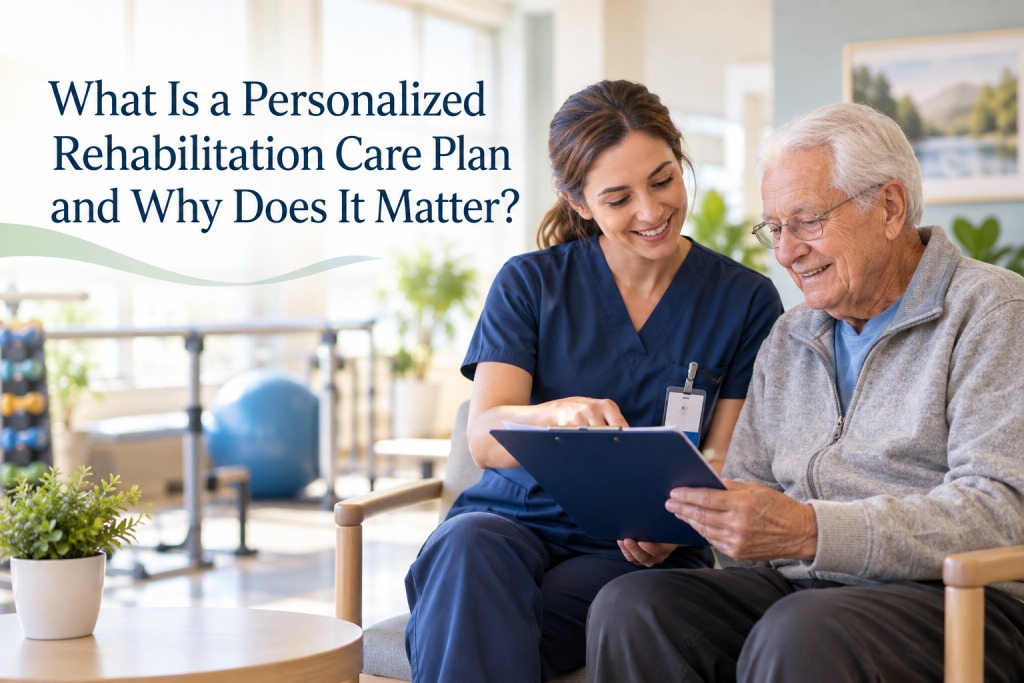
One of the greatest benefits of professional rehabilitation is that care is tailored to the individual rather than following a one-size-fits-all approach. Every senior arrives with different medical needs, health histories, personal goals, and recovery challenges. Someone recovering from a hip replacement may require a very different treatment plan than someone recovering from pneumonia, a stroke, or a cardiac event.
At a quality rehabilitation facility, an interdisciplinary team works together to evaluate each patient’s condition and develop a personalized recovery plan. Physicians, nurses, physical therapists, occupational therapists, speech therapists, and other healthcare professionals collaborate to create goals that reflect both medical needs and personal priorities. You can explore our rehabilitation and nursing services to see how those pieces fit together.
For some individuals, success may mean returning to gardening or attending church independently again. For others, the goal may be safely navigating stairs, cooking meals, or simply walking without assistance. Personalized rehabilitation helps ensure every therapy session moves patients closer to the life they want to return to.
Physical Therapy
Rebuilding Strength and Mobility
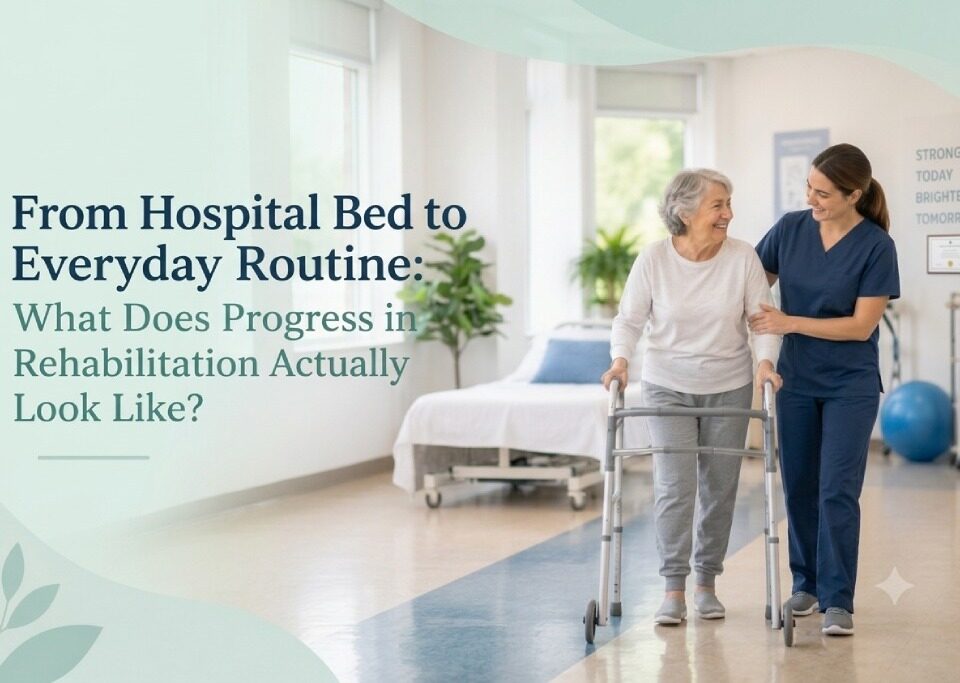
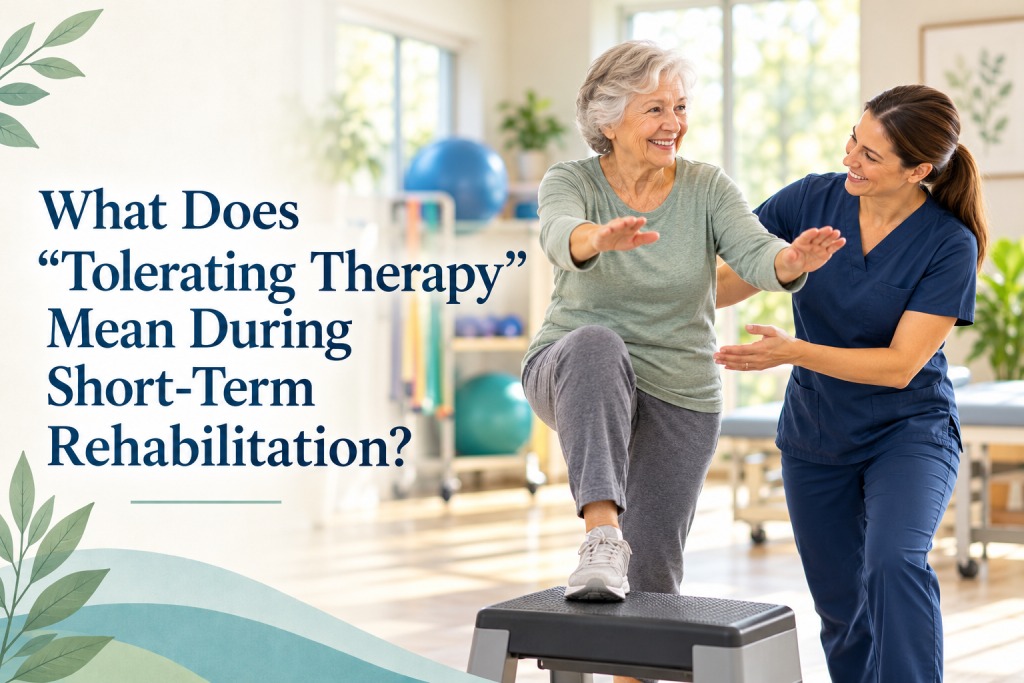
One of the primary goals of rehabilitation after hospitalization is restoring strength and mobility. Physical therapists work with seniors to improve balance, flexibility, endurance, and muscle strength through carefully designed exercise programs that progress as patients improve. These exercises help restore walking ability, reduce fall risk, and improve overall physical function.
Patients often practice:
Walking safely with or without assistive devices
Standing and sitting independently
Climbing stairs
Improving balance and coordination
Increasing endurance for daily activities
While progress may feel gradual at times, these small improvements often add up to significant gains in independence over the course of rehabilitation.
Occupational Therapy
Helping Seniors Return to Daily Activities
Recovery is not just about improving physical strength. Occupational therapy focuses on helping seniors regain the skills needed to perform everyday activities safely and independently. These activities may include bathing, dressing, cooking, grooming, using the bathroom, and managing household tasks.
Therapists often teach adaptive techniques and recommend equipment that can make daily life easier while reducing the risk of injury or falls. This practical approach helps bridge the gap between therapy sessions and real life, giving seniors the confidence to manage their routines once they return home.
Emotional Recovery
Improving Confidence Alongside Physical Recovery
After a hospitalization, many seniors become hesitant about movement or worry about becoming a burden on family members. This loss of confidence can sometimes become one of the biggest barriers to recovery.
Rehabilitation provides a supportive environment where patients can rebuild trust in their abilities while receiving encouragement from therapists, nurses, and caregivers who understand the challenges of recovery.
Every milestone matters. Walking a little farther than the day before, completing a task independently, or reaching a therapy goal can provide powerful motivation and restore confidence that may have been lost during illness or hospitalization.
Clinical Care
The Importance of Skilled Nursing Support
Rehabilitation often works best when combined with skilled nursing care. Many seniors recovering after hospitalization require ongoing medical support during the early stages of recovery, including:
Medication management so prescriptions are taken accurately and on schedule
Wound care following surgery or injury
Chronic disease monitoring for conditions that need steady oversight during recovery
Assistance with daily activities such as bathing, dressing, and moving safely
Having access to nurses around the clock provides an additional layer of safety while allowing therapy teams and medical professionals to work together toward shared recovery goals. This coordinated approach helps identify concerns early, prevent complications, and keep recovery moving in the right direction.
Family Involvement
Supporting Families Throughout the Recovery Journey
Hospitalization affects families just as much as it affects patients. Loved ones often wonder whether a parent or grandparent is truly ready to return home and how much support will be needed after discharge. Rehabilitation programs provide reassurance by keeping families informed and involving them in care planning throughout the recovery process.
Families benefit from education, discharge planning, and open communication with the care team, all of which help create a smoother transition home once rehabilitation goals have been achieved. Knowing that a loved one is receiving professional care often brings tremendous peace of mind during an otherwise stressful time.
Right Here in New Bern
Why Families Choose Bayview
At Bayview Nursing & Rehabilitation Center, we understand that recovering after hospitalization involves much more than medical treatment alone. Our experienced team provides personalized therapy programs, skilled nursing care, and compassionate support designed to help seniors rebuild strength, restore independence, and improve overall quality of life.
As a trusted New Bern rehab nursing center, we work closely with residents and families to create individualized recovery plans that focus on meaningful goals and long-term success. Whether someone is recovering after surgery, illness, injury, or hospitalization, our team is committed to helping each resident reach the highest possible level of independence.
Families searching for a rehabilitation center in New Bern often discover that the combination of expert clinical care and compassionate, homelike support can make a remarkable difference in recovery outcomes.
In Closing
Moving Forward With Confidence
Recovering after hospitalization can feel overwhelming, particularly for older adults who may face physical weakness, mobility limitations, and reduced confidence following a hospital stay. The right rehabilitation services can help seniors regain strength, improve mobility, and return to the activities that bring meaning and enjoyment to everyday life.
Through personalized therapy plans, skilled nursing care, and coordinated support, a comprehensive rehabilitation program in New Bern can help seniors recover more safely and effectively while promoting long-term independence and quality of life.
At Bayview, we are proud to support seniors and their families throughout every stage of recovery, helping residents move forward with confidence, dignity, and renewed independence.
Ready to Plan the Next Step in Recovery?
Our admissions team can walk you through our therapy programs, answer your questions about discharge planning, and arrange a visit to our New Bern community.