
What Does “Tolerating Therapy” Mean During Short-Term Rehabilitation?
October 23, 2026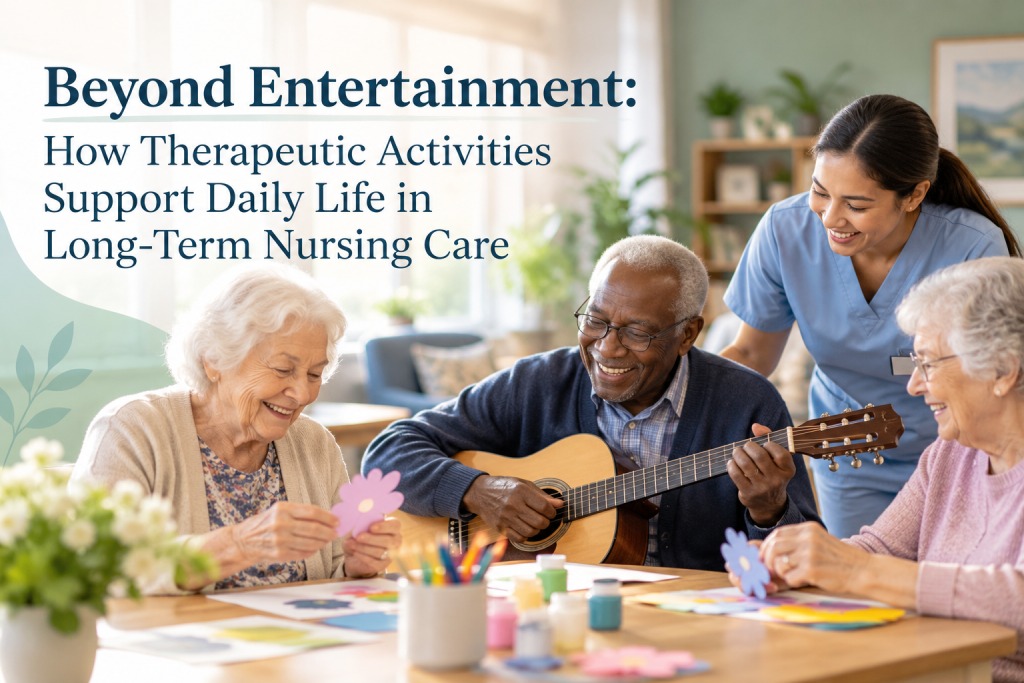
Good care looks after the whole person, and that includes the laughter, friendships, and favorite pastimes that make each day feel like their own.
When families think about long-term nursing care, they often focus first on healthcare. They want to know who will help with medications, how personal care needs will be handled, and whether their loved one will receive the nursing support they need. Those questions are important, but they represent only part of what daily life looks like in a long-term care community.
Residents still need opportunities to laugh, socialize, make choices, explore their interests, and feel connected to the people around them. A thoughtful activities program can make a meaningful difference. Activities aren’t simply something to fill the hours between meals. They can create structure throughout the day, encourage social interaction, support cognitive engagement, promote appropriate movement, and give residents something enjoyable to anticipate.
For families considering long-term nursing care in New Bern, NC, the activities calendar can offer valuable insight into a community’s approach to resident life. At Bayview Nursing & Rehabilitation Center, activities help create an environment where residents can keep participating in experiences that bring enjoyment, connection, and meaning to everyday life.
Jump To Section
Daily Structure
Activities Can Bring Structure and Rhythm to the Day
Most of us organize our lives around routines, even if we don’t consciously think about them. We wake up, get dressed, eat meals, go to work or complete household tasks, talk with others, pursue hobbies, and plan for the days ahead. Moving into long-term nursing care changes many aspects of that familiar routine, but it doesn’t eliminate the need for purpose and structure.
An activities program can help residents establish a new daily rhythm. Knowing that bingo is after lunch, a music program is scheduled for Wednesday, or a special celebration is coming up on Friday gives residents events around which they can organize their time. Even deciding whether or not to attend an activity creates an opportunity to make a personal choice.
Routine doesn’t mean every day needs to look identical. In fact, mixing familiar activities with special events can provide both consistency and variety:
A predictable schedule may feel reassuring and gives the week a comfortable shape
Special programs such as holiday celebrations, themed events, and outings when appropriate provide something different to anticipate
Mental Engagement
Cognitive Engagement Can Take Many Forms
When people hear the phrase “cognitive activity,” they sometimes picture worksheets or complicated brain training exercises. In reality, mental engagement can take many enjoyable, familiar forms:
Trivia encourages residents to recall information
Card and board games may involve strategy, counting, matching, or decision making
Music can prompt memories and conversation
Reading groups can encourage discussion
Arts and crafts involve choices about colors, materials, patterns, and design
Informal conversation about a resident’s childhood, career, family traditions, or favorite vacation can encourage memory and storytelling
The important thing is to recognize that residents have different abilities and interests. An activity that feels stimulating and enjoyable to one person may frustrate someone else. Programs can therefore be adapted when possible so residents can participate at an appropriate level.
Engagement doesn’t need to feel like a test. The goal is not to see who remembers the most trivia answers or completes a project perfectly. The value often comes from participating, thinking, sharing, and enjoying the experience.
Music
Music Can Reach Residents in a Different Way
Music holds a unique place in long-term care activities because people can enjoy it in so many ways. Residents may listen to live performers, sing familiar songs, clap along, participate in gentle movement, or simply sit quietly and enjoy the experience.
A song can also spark conversation. Hearing music from a particular decade may remind someone of a high school dance, a wedding, a favorite vacation, or a song they used to play while driving. Those memories can lead residents to share stories with staff, family members, and one another.
Music programs can also be inclusive because participation doesn’t have to look the same for everyone. One resident may sing every word, another may tap a foot, and someone else may simply smile and listen. Each person can experience the activity in a way that feels comfortable.
Self-Expression
Creative Activities Provide Opportunities for Choice and Self-Expression
Arts and crafts can sometimes be dismissed as simple entertainment, but creative activities provide residents with something important: the opportunity to make choices.
Which color should I use? What should I make? Where should this decoration go? Do I want to participate at all?
These may seem like small decisions, but opportunities for choice matter in long-term nursing care. Medication schedules, care needs, meals, appointments, and other routines may shape parts of residents’ day. Activities can create space for personal preference to lead.
Creative programs don’t have to produce a perfect finished product. Painting, coloring, seasonal crafts, decorating, flower arranging, and other hands-on activities can be enjoyable simply because residents are creating something of their own.
Finished projects can also become part of the community. Residents’ seasonal decorations may be displayed in common areas, giving participants an opportunity to contribute to their environment.
Movement
Appropriate Movement Can Be Incorporated Into Enjoyable Activities
Not all movement needs to happen in a formal therapy session. Depending on a resident’s abilities and care needs, activities may include gentle movement opportunities. Residents might participate in seated games, movement to music, balloon games, or other programs that encourage appropriate physical participation.
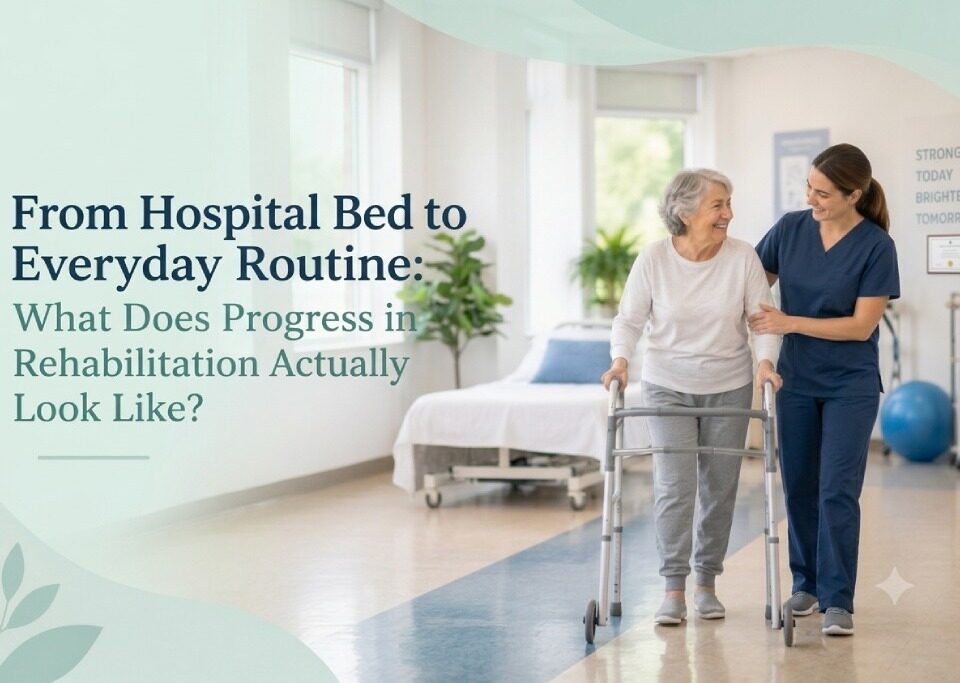
This is different from formal nursing rehabilitation in New Bern. Physical, occupational, and speech therapy are skilled services provided according to an individual’s needs and plan of care. Recreational activities aren’t a substitute for rehabilitation therapy.
However, an active daily environment can still give residents opportunities to move within their abilities and participate in life outside formal therapy sessions.
For residents who have previously received rehabilitation services, enjoyable activities may also give them reasons to use functional abilities in everyday situations. The focus isn’t on performing an exercise correctly; it’s on participating in something they enjoy.
Personal Interests
Activities Can Help Residents Maintain Personal Interests
Moving into long-term nursing care doesn’t erase someone’s identity. Learning about each resident’s interests can help make activities more personal:
A person who spent decades gardening may still enjoy working with plants
Someone who loved cooking may enjoy food-related programs or conversations about favorite recipes
A lifelong sports fan may look forward to watching a big game with other residents
This is one reason family members can be valuable resources. They may know that Mom has always loved country music, Dad never misses baseball, or Grandma used to spend every December making holiday decorations. Sharing these details can help staff better understand the person behind the care plan.
Families exploring a rehabilitation facility in New Bern, NC or a long-term nursing community may want to ask how resident interests and preferences are incorporated into activities. A calendar shows what’s scheduled, but understanding how programs are personalized can tell you much more.
Traditions
Celebrations Help Maintain Connections to Familiar Traditions
Birthdays, holidays, seasons, sporting events, and community traditions give people landmarks throughout the year. Long-term care residents shouldn’t have to leave those traditions behind.
Halloween parties, Thanksgiving celebrations, Christmas programs, summer events, birthday gatherings, and other special occasions can make the calendar feel familiar. They can also provide opportunities for residents, staff, and families to enjoy experiences together.
These events don’t need to be elaborate to be meaningful. Sometimes a familiar meal, favorite song, seasonal decoration, or family visit is enough to make an ordinary day feel special.
Traditions can also spark reminiscence. Residents may share how they celebrated holidays as children, what foods their families prepared, or how traditions changed when they became parents and grandparents themselves.
In that way, a seasonal activity becomes more than an event. It becomes an opportunity to tell stories and stay connected to a lifetime of experiences.
Family Involvement
Family Involvement Can Add Another Layer of Meaning
Families don’t have to be separate from a resident’s activity life. When appropriate and consistent with facility policies, family members may attend special events, celebrations, performances, or other programs. Even when they can’t attend in person, they can still contribute by:
Bringing photographs for a reminiscence activity
Sharing a favorite recipe
Sending holiday cards
Telling staff about hobbies their loved one has enjoyed throughout life
Visits can also center on activities. Instead of sitting in a resident’s room wondering what to talk about, family members can attend an event together, work on a puzzle, listen to music, or join another shared interest. These experiences can ease the pressure of visits while creating new memories for the family.
Individual Choice
Participation Should Reflect the Individual
A good activities program doesn’t mean every resident attends every event. Some people love being surrounded by others. They may be the first person to arrive at bingo and the last one to leave a party. Others have always preferred quieter hobbies or one-on-one conversations. Both preferences are valid.
Health conditions, fatigue, mobility limitations, hearing or vision changes, and cognitive abilities can also influence how someone participates. Activities may need to be modified, shortened, or approached differently based on individual needs. Sometimes participation may simply mean sitting nearby and listening.
Residents should have opportunities to engage without feeling they have to join every activity. Quality of life isn’t measured by how many boxes someone checks on an activities calendar. It’s about having meaningful options and the ability to participate in ways that fit the individual.
Know the Difference
Therapeutic Activities and Formal Rehabilitation Serve Different Purposes
Families may hear the words “therapeutic activities” and assume they are the same as rehabilitation therapy, but they’re different:
Formal nursing rehabilitation in New Bern may include skilled physical, occupational, or speech therapy based on an individual’s needs and plan of care. These services address specific functional goals, such as mobility, transfers, daily living activities, communication, cognition, or swallowing when appropriate.
Therapeutic or recreational activities focus more broadly on quality of life. They may encourage socialization, creativity, mental engagement, routine, enjoyment, and appropriate movement, but they don’t replace skilled rehabilitation.
The two can complement one another while serving different purposes. A resident might work on standing tolerance in occupational therapy and later choose to spend time with friends at a table. Another resident may practice mobility during physical therapy and then use those abilities in daily life.
Ultimately, rehabilitation skills matter because they can help people participate more fully in the activities and routines that are meaningful to them.
Resident Life
Activities and Daily Life at Bayview Nursing & Rehabilitation Center
Choosing long-term care involves much more than evaluating medical services. Families also choose where their loved one will spend ordinary mornings, afternoons, evenings, weekends, birthdays, and holidays. That’s why resident life matters.
At Bayview, activities give residents opportunities to connect with others, enjoy familiar interests, participate in community life, and experience variety in their daily routines, all in a warm, homelike setting right here in New Bern.
For families considering long-term nursing care in New Bern, NC, it’s worth asking not only, “What care will my loved one receive?” but also, “What will their days be like?”
Will they have opportunities to socialize?
Can they participate in activities that match their interests and abilities?
Are there special events and celebrations?
Can family members remain involved?
These questions matter because long-term nursing care supports a person, not just a medical condition.
A game may lead to a friendship. A song may bring back a wonderful memory. A holiday celebration may give a family something new to remember together. A craft may provide an afternoon of creativity and laughter. None of those moments needs to be medically necessary to be worthwhile.
Sometimes enjoyment itself is meaningful, and making room for those experiences is an important part of helping long-term care feel like a place where life continues.
FAQs
Frequently Asked Questions About Activities in Long-Term Nursing Care
Why are activities important for residents in long-term nursing care?
Activities can provide social interaction, cognitive engagement, opportunities for appropriate movement, creative expression, routine, and simple enjoyment. They can also give residents events to anticipate and opportunities to continue participating in familiar interests and traditions.
Are therapeutic activities the same as physical or occupational therapy?
No. Recreational or therapeutic activities can support engagement and quality of life, but they don’t replace skilled rehabilitation services. Physical, occupational, and speech therapy address specific needs and goals according to an individualized plan of care.
What types of activities are appropriate for nursing home residents?
Appropriate activities can include music, games, arts and crafts, seasonal celebrations, trivia, social gatherings, reminiscence programs, appropriate movement activities, and programs related to residents’ hobbies and interests. The best activities reflect individual abilities, preferences, and needs.
Can residents with mobility or cognitive limitations still participate in activities?
Often, yes. Participation can take many forms, and activities may be adapted to different abilities when appropriate. One resident may actively complete an entire project, while another may participate with assistance or simply enjoy being present with the group. The goal is meaningful engagement, not identical participation.
What should families ask about activities when considering long-term nursing care in New Bern, NC?
Families can ask how often activities are offered, how staff identify residents’ interests, whether programs are adapted for different abilities, how the facility celebrates holidays and special occasions, and whether families can participate in certain events. When considering long-term nursing care in New Bern, NC, these questions can provide valuable insight into what everyday resident life is actually like.
See What a Day at Bayview Looks Like
Visit us in New Bern to meet our team, browse the activities calendar, and see how we help residents stay connected to the people, interests, and traditions that matter most. We are happy to answer your questions about long-term nursing care and admissions.

Connection
Social Activities Create Natural Opportunities for Connection
One of the biggest changes when moving into a nursing community is losing familiar social routines. A resident may no longer see the neighbor who stopped by every afternoon, attend a weekly church group, or have regular conversations with friends at a local restaurant.
That doesn’t mean meaningful relationships have to end. Instead, residents may have opportunities to build new ones. Group activities provide natural reasons for people to spend time together without pressuring them to form friendships immediately:
Two residents sitting beside each other during a game may start talking about where they grew up
Someone attending a music program may discover that another resident loves the same songs
A craft project or seasonal event may create conversations that continue long after the activity ends
These interactions can be especially important for someone who is naturally shy or hesitant to approach people they don’t know. A shared activity gives everyone something to talk about.
For residents receiving long-term nursing care in New Bern, NC, these everyday connections can help a new environment gradually begin to feel more familiar.