
How Speech Therapy Helps Seniors With Swallowing Difficulties After a Stroke
November 14, 2026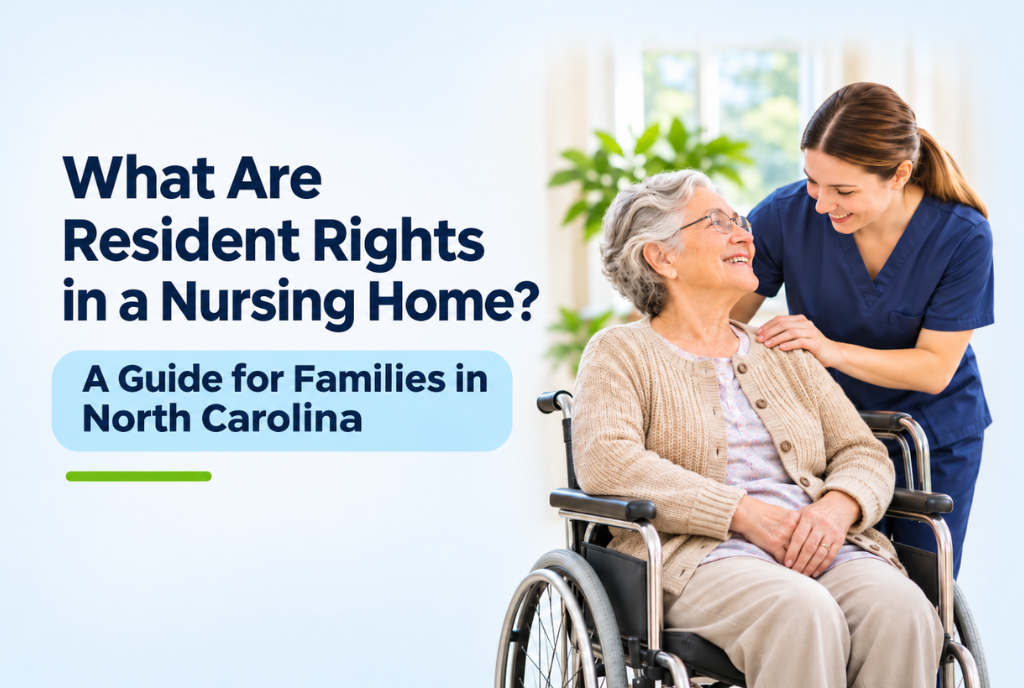
Knowing your loved one’s rights helps you ask better questions, advocate with confidence, and recognize care that keeps the resident at the center.
Choosing a nursing home for someone you love is a decision that comes with plenty of questions. Families naturally want to know whether their loved one will receive appropriate medical care, have opportunities to socialize, and feel comfortable in their new surroundings. Just as important, however, is understanding the rights that protect nursing home residents and help ensure they are treated with dignity, respect, and compassion.
Moving into a nursing home doesn’t mean giving up personal freedoms or the ability to make decisions. Whether someone is receiving long-term nursing care or recovering from an illness or surgery, they retain important rights concerning their privacy, personal choices, healthcare, relationships, and daily routines. These protections are designed to ensure that residents remain active participants in their own lives rather than simply recipients of care.
For families researching nursing home resident rights in North Carolina, knowing what these protections include can make it easier to advocate for a loved one and recognize a resident-centered care environment. At Bayview Nursing & Rehabilitation Center in New Bern, supporting residents’ dignity, individual preferences, and meaningful connections is an important part of creating a welcoming community.
Jump To Section
The Basics
Understanding Nursing Home Resident Rights in North Carolina
Nursing home residents are protected by both federal and state laws that establish standards for how they must be treated. Federal protections are particularly important in Medicare- and Medicaid-certified nursing facilities, where regulations address resident dignity, privacy, visitation, participation in care decisions, freedom from abuse, and other essential aspects of daily life.
North Carolina also has a Nursing Home Residents’ Bill of Rights that outlines important protections for individuals living in nursing facilities. These rights recognize that residents are individuals with personal histories, preferences, relationships, and values that deserve respect regardless of their age, medical condition, or level of independence.
Resident rights apply to much more than the quality of medical treatment. They also address:
How residents are spoken to
Whether they can make choices about daily routines
How their personal information is handled
Whether they have opportunities to maintain relationships with family and friends
Understanding these protections helps families become informed partners in care while respecting the resident’s own decisions and preferences.
Dignity
The Right to Be Treated With Dignity and Respect
Every nursing home resident has the right to be treated with dignity, courtesy, and respect. This fundamental protection recognizes that needing assistance with everyday activities doesn’t diminish a person’s individuality, independence, or worth. Residents should be treated as adults whose personal preferences, beliefs, and life experiences continue to matter.
In everyday situations, dignity may involve something as simple as:
Staff members knocking before entering a resident’s room
Addressing someone by their preferred name
Explaining what they are doing before providing personal care
Respecting individual routines and preferences whenever possible, rather than expecting everyone to follow identical schedules
Maintaining dignity is especially important for residents who need assistance with bathing, dressing, eating, or mobility. These activities can feel deeply personal, and receiving help may be an adjustment for someone who has always been independent. Compassionate communication, appropriate privacy, and opportunities to make choices can help residents feel more comfortable and respected throughout their care.
Privacy
The Right to Privacy and Confidentiality
Privacy is another essential nursing home resident right. Residents are entitled to appropriate privacy during personal care, medical treatment, and visits, as well as confidentiality concerning their medical and personal information. These protections help preserve a sense of independence and personal space, even when someone requires regular assistance.
For example, residents should be afforded privacy when bathing, dressing, receiving treatment, or discussing sensitive medical concerns. Staff members must also handle protected health information appropriately and follow applicable confidentiality requirements. A resident’s medical condition, treatment details, or personal circumstances should not be casually discussed with people who are not authorized to receive that information.
Privacy also extends to personal communications and relationships. Residents generally have rights concerning private conversations, correspondence, and visits, subject to applicable laws and legitimate safety considerations.
Being a close relative doesn’t automatically provide unrestricted access to a resident’s medical records or healthcare decisions. The resident’s consent, legal authority, and applicable privacy laws determine what information can be shared.
Care Decisions
The Right to Participate in Healthcare Decisions
One of the most important protections for nursing home residents is the right to participate in decisions about their own care. Residents should receive understandable information about their health conditions, treatment options, and care plans so they can make informed choices to the extent they are able.
This includes opportunities to discuss treatment goals, ask questions, express concerns, and participate in care planning. Residents also generally have the right to accept or refuse treatment, subject to applicable laws and the circumstances of their medical care. Healthcare professionals should explain the potential consequences of decisions and work with residents to develop appropriate plans that reflect their preferences and needs.
For someone receiving nursing rehabilitation in New Bern, participation in care decisions may involve discussing therapy goals, reviewing progress, and identifying the daily activities they most want to regain. A resident recovering from surgery might prioritize walking safely at home, while another person may focus on becoming more independent with dressing or bathing. Involving residents in these conversations helps make rehabilitation more meaningful and personally relevant.
When a resident cannot make certain decisions independently, an authorized representative may participate, depending on applicable legal requirements. Even in these situations, the resident should remain involved as much as possible, with attention to their known wishes, preferences, and abilities.
Relationships
The Right to Receive Visitors and Maintain Relationships
Family connections, friendships, and familiar relationships can play an important role in a resident’s emotional well-being. Nursing home residents have important visitation rights that help them maintain these connections rather than becoming isolated from the people who matter most.
In Medicare- and Medicaid-certified nursing facilities, federal regulations generally protect residents’ ability to receive visitors of their choosing, at times they choose, subject to the resident’s preferences and applicable clinical or safety restrictions. Residents also have the right to refuse visitors, and facilities must respect those decisions.
While reasonable procedures may be necessary to protect health and safety, visitation rights should not be restricted simply for administrative convenience.
For families, this means staying connected can remain an important part of a loved one’s daily life. Visits may include sharing a meal, enjoying a conversation, participating in an activity, or simply spending quiet time together. These moments can provide reassurance during rehabilitation and help long-term residents maintain meaningful relationships.
Family involvement can also support communication with the care team when the resident wants relatives to participate. However, the resident’s own choices remain central, including decisions about who may visit and what information may be shared.
Personal Choice
The Right to Make Choices About Daily Life
Life in a nursing home involves shared spaces, schedules, and care routines, but residents still have the right to exercise reasonable personal choices. This includes expressing preferences about daily activities, social involvement, personal routines, and other aspects of life that affect their well-being.
A resident may prefer quiet mornings, enjoy participating in group activities, or want time alone to read or listen to music. Another person may look forward to games, creative projects, religious activities, or conversations with friends. Respecting these preferences helps residents maintain a sense of identity and control over their daily experiences.
Meaningful activities are particularly valuable because they create opportunities for social interaction, cognitive engagement, and personal enjoyment. However, participation should reflect the resident’s interests rather than being treated as an obligation. Someone who enjoys group events should have opportunities to participate, while a resident who prefers quieter activities should also have their choices respected.
At Bayview Nursing & Rehabilitation Center, therapeutic activities give residents opportunities to stay engaged and connected through experiences that support quality of life. Encouraging individual preferences helps make these opportunities more meaningful for residents with different interests and abilities.
Safety
The Right to Be Free From Abuse, Neglect, and Exploitation
Every nursing home resident has the right to live in an environment free from abuse, neglect, exploitation, and improper treatment. These protections apply to physical, emotional, verbal, and sexual abuse, as well as financial exploitation and other forms of mistreatment. Residents must also be protected from inappropriate restraints and other practices that violate their rights.
Families can help safeguard their loved ones by maintaining regular communication and noticing changes in behavior, appearance, or well-being. Signs that may warrant further investigation include:
Unexplained injuries
Sudden fearfulness
Unusual withdrawal
Poor hygiene
Concerns about missing personal belongings
While these signs don’t automatically establish that mistreatment has occurred, they should never be dismissed without appropriate attention.
Residents and families should feel able to report concerns without fear of punishment or retaliation. Nursing facilities must have procedures for addressing grievances and allegations of mistreatment, and certain incidents must be reported to appropriate authorities.
If a resident appears to be in immediate danger, families should seek emergency assistance. Other concerns can be raised with facility leadership, the North Carolina Long-Term Care Ombudsman Program, or the appropriate state regulatory agency.
Speaking Up
The Right to Voice Concerns Without Fear of Retaliation
Residents have the right to express complaints or concerns about their care, treatment, living conditions, or daily experiences without being threatened, punished, or treated unfairly. This protection matters because some older adults may hesitate to speak up, especially when they depend on others for help with personal care or medical needs.
Concerns may involve anything from meal preferences and activity schedules to communication problems or questions about treatment. Residents should have access to a grievance process, and their concerns should be addressed appropriately. Families can help by listening carefully, documenting specific issues when necessary, and communicating respectfully with the appropriate members of the care team.
Open communication is often the most effective starting point when a concern arises. However, residents and families are not required to resolve every issue internally before seeking outside assistance. They may contact the Long-Term Care Ombudsman Program or appropriate regulatory authorities when they need additional support or wish to report a potential violation.
Information
The Right to Information About Care, Services, and Charges
Residents and their authorized representatives should receive clear information about the services available at a nursing facility, applicable charges, and important policies that affect care. Understanding these details can help families make informed decisions and avoid unnecessary confusion during admission or throughout a resident’s stay.
Facilities must provide required information about resident rights and explain relevant policies in a manner the resident can understand. Residents also have rights to access their medical records and receive information about their care, subject to applicable legal requirements.
Financial transparency is another important consideration. Families should understand which services are covered by Medicare, Medicaid, private insurance, or personal payment arrangements, as applicable. They should also ask questions about potential out-of-pocket expenses and any services that may not be included in a particular coverage arrangement.
Taking time to review admission documents and ask for clarification can help residents and families feel more confident about the care setting they are considering.
Transitions
The Right to Appropriate Discharge and Transfer Procedures
Nursing home residents also have protections related to transfers and discharges. A facility generally cannot require someone to leave simply because doing so would be more convenient. Federal regulations governing Medicare- and Medicaid-certified facilities establish specific circumstances in which a transfer or discharge may be permitted, along with requirements concerning notice, documentation, and appeal rights.
These protections are especially important when a resident’s medical needs change or when a family has concerns about whether a transfer is appropriate. Residents and their representatives should receive information about the reasons for a proposed transfer or discharge, along with applicable rights and procedures.
For individuals receiving short-term rehabilitation, discharge planning is also an important part of recovery. The care team may work with residents and families to discuss:
Functional progress
Ongoing support needs
Recommended equipment
Follow-up services
The goal is to help ensure that the next stage of care reflects the resident’s medical condition, abilities, and available support.
For Families
How Families Can Help Protect a Loved One’s Rights
Understanding resident rights is an important first step, but families can also play a meaningful role in helping those rights remain part of everyday care. Regular visits, thoughtful conversations, and respectful communication with staff can help you understand how a loved one is adjusting to the nursing home environment.
Families can begin by asking residents:
How they feel about their care
Whether they have opportunities to make choices
Whether their preferences are being respected
When concerns arise, it’s helpful to listen carefully and involve the resident in deciding how to address the situation whenever possible. Maintaining a collaborative relationship with the care team can also make it easier to discuss changing needs or clarify expectations.
Advocating for a loved one doesn’t mean taking over every decision. Residents should remain at the center of conversations about their care, privacy, relationships, and daily routines. Supporting their right to make choices, even when those choices differ from family preferences, is an important part of respecting their independence.
Resources
Where Can North Carolina Families Get Help With Resident Rights?
Families who have questions about nursing home resident rights in North Carolina have access to resources beyond the nursing facility itself:
The North Carolina Long-Term Care Ombudsman Program helps residents understand their rights, addresses complaints, and advocates for people living in long-term care communities
The North Carolina Department of Health and Human Services oversees nursing home licensing and regulatory compliance through its Division of Health Service Regulation. Families may contact the appropriate state agency to report concerns about facility practices, resident safety, or potential regulatory violations
These resources can be especially helpful when a resident or family member is unsure how to address a concern or needs assistance understanding available options. Seeking information and asking questions are appropriate ways to support a loved one’s well-being, and residents have the right to raise concerns without retaliation.
Life at Bayview
Supporting Resident Dignity and Well-Being at Bayview Nursing & Rehabilitation Center
At Bayview Nursing & Rehabilitation Center, we recognize that quality care involves more than meeting medical needs. It also means respecting each resident as an individual with personal preferences, important relationships, and the right to participate in decisions that affect their daily life.
Whether someone is receiving long-term nursing care or recovering through rehabilitation services, maintaining dignity, encouraging meaningful engagement, and supporting family connections are important parts of the resident experience. Opportunities for social interaction, recreational activities, and individualized care can help residents remain connected to the people and experiences that matter most.
For families exploring a rehabilitation facility in New Bern, NC, understanding resident rights can help guide conversations about care expectations, communication, visitation, and personal choice. Asking how a facility supports these protections provides valuable insight into its approach to resident-centered care.
Choosing a nursing home is ultimately about finding an environment where a loved one can receive appropriate support while continuing to be treated with respect and compassion.
Understanding resident rights helps families become informed advocates and reinforces an important principle: every resident deserves to feel safe, heard, valued, and involved in their own care.
FAQs
Frequently Asked Questions About Nursing Home Resident Rights in North Carolina
What rights do nursing home residents have in North Carolina?
Nursing home residents in North Carolina have important rights related to dignity, privacy, personal choice, visitation, participation in healthcare decisions, and protection from abuse or neglect. Residents also have rights concerning complaints, medical information, and certain transfer or discharge procedures. Federal protections apply to Medicare- and Medicaid-certified nursing facilities, while North Carolina law provides additional resident protections.
Can a nursing home restrict family visits in North Carolina?
Residents of Medicare- and Medicaid-certified nursing facilities generally have the right to receive visitors of their choosing, at times they choose, subject to their own preferences and applicable clinical or safety restrictions. Facilities may establish reasonable procedures to protect residents, but they cannot restrict visitation arbitrarily or simply for staff convenience. Residents also have the right to refuse visitors, and their choices must be respected.
Can nursing home residents refuse medical treatment?
Residents generally have the right to participate in healthcare decisions and to accept or refuse treatment, subject to applicable laws and individual circumstances. Healthcare providers should explain treatment options and potential consequences so residents can make informed decisions. When a resident lacks the legal capacity to make a particular decision, an authorized representative may act according to applicable legal requirements while respecting the resident’s known wishes.
What should families do if they believe a nursing home is violating resident rights?
Families can begin by discussing concerns with the resident and appropriate facility staff, provided doing so is safe and consistent with the resident’s wishes. They may also contact facility leadership, the North Carolina Long-Term Care Ombudsman Program, or the North Carolina Division of Health Service Regulation. Serious concerns involving abuse, neglect, or immediate danger should be reported promptly to the appropriate authorities.
Do residents receiving short-term rehabilitation have the same rights as long-term nursing home residents?
Residents receiving short-term rehabilitation in a Medicare- or Medicaid-certified nursing facility generally have the same federal resident rights as individuals receiving long-term nursing care. These include protections related to dignity, privacy, visitation, participation in care decisions, and freedom from abuse or neglect. The length of a resident’s stay doesn’t eliminate these fundamental protections, although some care and discharge arrangements may differ according to individual circumstances.
Have Questions About Life at Bayview?
Visit us in New Bern to meet our team and ask how we support resident dignity, personal choice, and family involvement. We are happy to answer your questions about long-term nursing care, rehabilitation, and admissions.