
Beyond Entertainment: How Therapeutic Activities Support Daily Life in Long-Term Nursing Care
October 30, 2026
What Are Resident Rights in a Nursing Home? A Guide for Families in North Carolina
November 16, 2026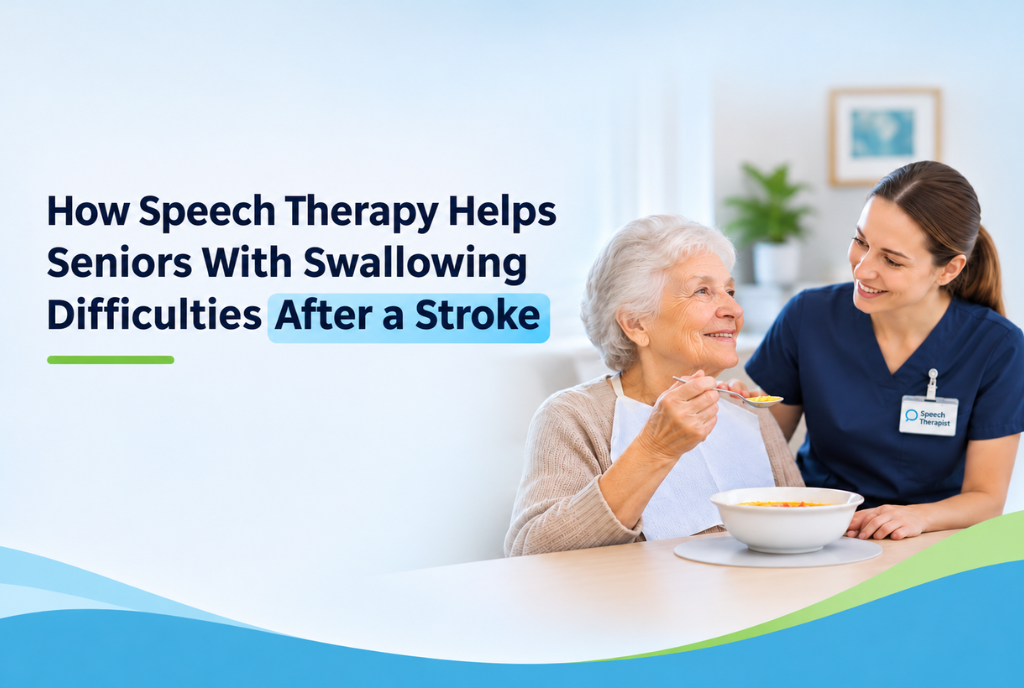
After a stroke, a sip of water or a favorite meal can suddenly feel uncertain. Speech therapy can help seniors work toward safer, more confident mealtimes.
Recovering from a stroke can involve challenges that extend far beyond walking, balance, or regaining strength. While many families are familiar with the role physical and occupational therapy play in stroke rehabilitation, they may be surprised to learn that swallowing difficulties are also common. Something as ordinary as drinking a glass of water or enjoying a favorite meal can suddenly become difficult, uncomfortable, or even unsafe.
For seniors who experience swallowing problems after a stroke, mealtimes may become a source of frustration or anxiety rather than enjoyment. They may cough while drinking, struggle to move food around their mouths, or feel as though something is stuck in their throats. In some cases, swallowing problems aren’t immediately obvious, making professional evaluation especially important. These difficulties can affect nutrition, hydration, overall health, and the confidence needed to participate in everyday activities.
Fortunately, speech-language pathologists play an important role in helping stroke survivors address swallowing difficulties. Through careful assessment, individualized treatment, and practical strategies, speech therapy can help seniors work toward safer swallowing and greater independence during recovery. For families exploring speech therapy in New Bern, NC, understanding how this specialized care supports stroke rehabilitation can make it easier to recognize when a loved one may need additional assistance.
Jump To Section
Understanding Dysphagia
Why Can a Stroke Cause Swallowing Difficulties?
Swallowing may seem like a simple, automatic action, but it’s actually a complex process that requires precise coordination between the brain, muscles, and nerves. When someone eats or drinks, the body must move food or liquid through the mouth and throat while protecting the airway. Several muscles and neurological signals work together to make this happen safely.
A stroke occurs when blood flow to part of the brain is interrupted or when bleeding occurs in the brain. Depending on the area affected, a stroke can interfere with the signals that control the muscles involved in swallowing. As a result, a person may have difficulty chewing, moving food toward the back of the mouth, initiating a swallow, or keeping food and liquid from entering the airway.
This condition is known as dysphagia, the medical term for swallowing difficulty. Dysphagia can range from relatively mild problems with certain foods or liquids to more significant difficulties that require specialized treatment and changes to how nutrition and hydration are provided.
Not every stroke survivor develops dysphagia, and the severity of symptoms varies considerably. Some individuals experience improvement during the early stages of recovery, while others require ongoing treatment and support. Because swallowing difficulties can lead to serious complications, early identification and appropriate management are important parts of stroke care.
Warning Signs
Recognizing the Signs of Swallowing Problems After a Stroke
Families often notice changes in a loved one’s walking, speech, or coordination after a stroke, but swallowing problems can be less obvious. A senior may begin eating more slowly, avoid certain foods, or appear uncomfortable during meals without clearly explaining what they’re experiencing. Recognizing these changes can help families bring potential concerns to the healthcare team’s attention.
Common signs of swallowing difficulties include:
Coughing or choking while eating or drinking
A wet or gurgling voice after swallowing
Difficulty chewing
Food remaining in the mouth after a meal
Repeated swallowing attempts
A feeling that food is stuck in the throat
Drooling or difficulty controlling liquids in the mouth
Changes in eating habits can also provide important clues. A senior who previously enjoyed regular meals may begin refusing certain foods, taking unusually small bites, or avoiding drinks because swallowing feels uncomfortable or frightening. Over time, these difficulties may contribute to dehydration, inadequate nutrition, or unintended weight loss.
Not all swallowing problems cause noticeable coughing or choking. Silent aspiration occurs when food, liquid, or saliva enters the airway without triggering an obvious protective cough. Because this can happen without visible warning signs, stroke survivors should receive appropriate swallowing screening and assessment before resuming oral intake when directed by their medical team.
Safety First
Why Swallowing Safety Matters During Stroke Recovery
Swallowing difficulties can affect several aspects of a senior’s health and recovery. One of the most significant concerns is aspiration, which occurs when food, liquid, or saliva enters the airway instead of traveling safely toward the stomach. Aspiration can contribute to respiratory complications, including aspiration pneumonia, particularly when other health factors increase a person’s risk.
Dysphagia may also interfere with adequate nutrition and hydration. When eating becomes difficult, seniors may eat less or not drink enough fluids. This can make it harder to meet nutritional needs when the body is already working to recover from a serious medical event.
The emotional effects shouldn’t be overlooked, either. Meals are often an important part of family life, social interaction, and personal enjoyment. A senior who worries about coughing or choking may feel embarrassed eating around others or become reluctant to participate in shared meals. These concerns can affect confidence and quality of life, even when the individual is making progress in other areas of rehabilitation.
Addressing swallowing difficulties is about more than managing a single physical symptom. It’s about helping seniors receive appropriate nutrition and hydration, reducing avoidable complications, and supporting their ability to participate in daily routines as safely and comfortably as possible.
Assessment
How Speech Therapy Evaluates Swallowing Difficulties
Although speech therapy is commonly associated with improving communication, speech-language pathologists are also trained to evaluate and treat swallowing disorders. Their expertise includes understanding how the muscles, nerves, and structures involved in swallowing work together and identifying problems that may affect swallowing safety.
When a senior experiences swallowing difficulties after a stroke, a speech-language pathologist may begin with a clinical swallowing evaluation. This assessment can include reviewing the person’s medical history, discussing symptoms, examining oral movements, and observing aspects of swallowing when appropriate. The therapist may also consider factors such as alertness, positioning, oral control, and the individual’s ability to follow instructions.
In some situations, additional testing is necessary to understand what happens during swallowing:
Modified barium swallow study, also called a videofluoroscopic swallowing study, uses moving X-ray images to evaluate swallowing
Fiberoptic endoscopic evaluation of swallowing (FEES) uses a small flexible camera to examine structures in the throat and assess swallowing function
These instrumental assessments can provide valuable information about aspiration, the movement of food and liquids, and which treatment strategies may be appropriate. The speech-language pathologist uses assessment findings, together with the medical team’s recommendations, to help develop an individualized swallowing management plan.
Treatment
Personalized Swallowing Therapy After a Stroke
Once swallowing difficulties are identified, treatment focuses on the individual’s specific needs rather than using the same approach for every stroke survivor. The type of swallowing problem, severity of impairment, overall medical condition, and rehabilitation goals all influence the treatment plan.
For some seniors, speech therapy may include exercises designed to address particular swallowing muscles or movement patterns. Other individuals may benefit from learning techniques that help coordinate swallowing more effectively or compensate for specific impairments. The speech-language pathologist determines which approaches are appropriate based on clinical findings and, when needed, instrumental assessment results.
Treatment may also involve practicing swallowing with carefully selected food or liquid consistencies when it is safe to do so. The therapist can monitor the individual’s response and adjust the plan as recovery progresses. Because swallowing function may change over time, reassessment is often important when determining whether recommendations should be modified.
The goal of therapy isn’t simply to make swallowing feel easier. It’s to support the safest and most effective swallowing function possible while considering the person’s overall health, nutritional needs, and quality of life. Recovery varies, and some seniors may regain substantial swallowing ability while others continue to need long-term strategies or assistance.
Diet Modifications
How Food and Liquid Modifications May Improve Swallowing Safety
One strategy sometimes used in dysphagia management involves adjusting the texture of foods or the consistency of liquids. Certain swallowing difficulties may make thin liquids, dry foods, or particular textures harder to manage safely. Depending on assessment findings, a speech-language pathologist may recommend modifications intended to address those challenges.
For example, some individuals may require softer foods that are easier to chew and control, while others may need foods prepared to a specific texture. Thickened liquids are sometimes recommended when appropriate, although they are not automatically safer for every person and can have disadvantages, including reduced fluid intake or lower acceptance. Decisions about liquid consistency should therefore be individualized and monitored.
These changes should never be made casually or based solely on what appears easier to swallow. A food or drink that seems manageable may still present an aspiration risk, particularly when silent aspiration is present. Families should follow the recommendations established by the swallowing care team rather than independently changing food textures or liquid thickness.
When dietary modifications are necessary, coordination among speech-language pathologists, nursing staff, dietary professionals, and healthcare providers helps ensure that swallowing safety is considered alongside nutrition, hydration, and personal preferences.
Mealtime Strategies
Teaching Safer Eating and Drinking Strategies
Speech therapy may also help seniors learn practical strategies that make mealtimes safer and more manageable. Depending on the person’s swallowing abilities, these recommendations might address:
Positioning, such as maintaining an appropriate upright position during meals
Pacing, including assistance managing the pace of eating
Bite size, such as taking smaller bites
Specific swallowing strategies or other techniques identified during assessment
Certain postural adjustments or swallowing maneuvers may be useful for selected patients, but they should only be used when recommended by a qualified professional because an approach that helps one person may be ineffective or unsafe for another.
These strategies can be particularly valuable when a senior is preparing to return home after rehabilitation. Learning to manage meals safely, recognize when assistance is needed, and understand dietary recommendations can help residents and caregivers feel more prepared for daily routines outside the rehabilitation setting.
Family education is an important part of this process. When caregivers understand the recommended techniques and why they’re necessary, they can provide more consistent support while helping their loved one maintain as much independence as safely possible.
Team-Based Care
How Speech Therapy Works With Other Rehabilitation Services
Stroke recovery often involves several areas of care, which is why coordinated rehabilitation can be so valuable. A senior who experiences dysphagia may also have weakness, balance difficulties, communication changes, or limitations with daily activities. Addressing these needs together helps create a more complete approach to recovery.
Physical therapy may focus on rebuilding strength, improving balance, and helping residents regain mobility
Occupational therapy often addresses daily living skills such as dressing, bathing, grooming, and other functional tasks
Speech therapy can support swallowing and, when needed, communication or cognitive-communication abilities affected by the stroke
Nursing staff can reinforce individualized care instructions, monitor for concerning changes, and communicate with the rehabilitation team
These services can complement one another. For example, improved sitting balance and positioning may help a resident participate more effectively in mealtime routines, while occupational therapy may address adaptive equipment or assistance needed for self-feeding.
For families considering a rehabilitation program in New Bern, NC, understanding how different therapy disciplines coordinate care can provide a clearer picture of the support their loved one may need after a stroke.
Quality of Life
The Emotional and Social Importance of Mealtimes
Eating is about much more than meeting nutritional needs. For many older adults, meals provide opportunities to socialize, enjoy familiar traditions, and maintain a sense of normalcy. A favorite breakfast, a family recipe, or a conversation around the dinner table can carry emotional significance that extends far beyond the food itself.
When swallowing difficulties interrupt these experiences, seniors may feel frustrated or discouraged. Someone who once enjoyed dining with friends may become hesitant to participate because they worry about coughing, spilling food, or needing assistance. Others may struggle with the loss of familiar foods or feel disappointed when dietary restrictions become necessary.
Speech therapy can help address the functional challenges associated with swallowing, while the broader care team supports residents in maintaining meaningful routines and social connections. When appropriate, individualized recommendations may allow seniors to participate in meals in ways that reflect their abilities and safety needs.
Maintaining dignity and personal choice is especially important throughout this process. Even when modifications are necessary, residents should be included in discussions about their care whenever possible, with attention to their preferences, comfort, and overall quality of life.
Next Steps
Preparing for Continued Swallowing Care After Rehabilitation
For many stroke survivors, rehabilitation is one stage of a longer recovery process. Some individuals experience meaningful improvement in swallowing function during their stay, while others continue to require treatment, dietary modifications, or caregiver assistance after returning home.
Discharge planning helps ensure that residents and families understand the recommendations needed for the next stage of care. This may include instructions about:
Approved food textures and liquid consistencies
Positioning during meals
Recommended swallowing strategies
Medication administration considerations
Signs of potential complications
Depending on the individual’s needs, continued speech therapy may be recommended after discharge. Follow-up appointments and reassessments can help determine whether swallowing function has changed and whether the treatment plan should be adjusted. Families should also understand when to contact a healthcare provider about new coughing, changes in voice quality during meals, difficulty swallowing, fever, or other concerning symptoms.
A successful transition home doesn’t necessarily mean that swallowing has returned to its previous level. Instead, it means the individual and caregivers have an appropriate plan to manage current needs while supporting continued recovery and safety.
Stroke Rehabilitation at Bayview
Supporting Stroke Rehabilitation at Bayview Nursing & Rehabilitation Center
At Bayview Nursing & Rehabilitation Center in New Bern, North Carolina, we understand that recovering from a stroke can affect many aspects of a senior’s daily life. While regaining strength and mobility are important goals, addressing swallowing difficulties can be equally meaningful for residents who are working toward greater independence and improved quality of life.
Our therapy and rehabilitation services provide individualized care based on residents’ medical conditions, functional abilities, and recovery goals. For seniors experiencing swallowing difficulties after a stroke, speech therapy may play an important role in evaluating swallowing function, developing appropriate treatment strategies, and supporting safer eating and drinking.
Through coordinated rehabilitation services, residents can work toward goals that address both physical recovery and the everyday activities that matter most. Whether someone needs assistance with swallowing, communication, mobility, or personal care, an individualized approach helps ensure that treatment reflects their unique needs and abilities.
For families exploring senior rehabilitation in New Bern, understanding the role of speech therapy can make it easier to recognize the importance of comprehensive stroke recovery services. Swallowing difficulties may not be as visible as changes in walking or movement, but they can significantly affect health, confidence, and daily life.
At Bayview, our focus is on helping residents work toward meaningful rehabilitation goals while supporting their safety, dignity, and well-being throughout recovery. With appropriate evaluation, personalized therapy, and continued support, seniors experiencing swallowing difficulties after a stroke can take important steps toward managing daily routines and enjoying a better quality of life.
FAQs
Frequently Asked Questions About Speech Therapy and Swallowing Difficulties After a Stroke
Can speech therapy help seniors who have trouble swallowing after a stroke?
Yes. Speech-language pathologists are trained to evaluate and treat swallowing disorders, including dysphagia caused by a stroke. Depending on the individual’s needs, treatment may include swallowing exercises, compensatory strategies, food or liquid modifications, and education about safer eating and drinking. The goal is to improve or support swallowing function while reducing avoidable complications and maintaining appropriate nutrition and hydration.
What are the warning signs of swallowing difficulties after a stroke?
Common warning signs include coughing or choking during meals, a wet or gurgling voice after swallowing, difficulty chewing, food remaining in the mouth, and the sensation that food is stuck in the throat. Some seniors may also eat more slowly, avoid certain foods, or experience unexplained weight loss. Because silent aspiration can occur without obvious coughing, professional swallowing assessment is important when concerns arise.
How long does it take to recover swallowing ability after a stroke?
Recovery time varies depending on the location and severity of the stroke, the nature of the swallowing impairment, and the individual’s overall health. Some seniors improve within days or weeks, while others require rehabilitation over a longer period or continue to need swallowing management strategies. Regular assessment helps the healthcare team monitor progress and adjust treatment recommendations as needed.
Does speech therapy only help with speaking after a stroke?
No. Speech-language pathologists address several areas that may be affected by a stroke, including swallowing, speech production, language comprehension, communication, and certain cognitive-communication skills. A senior may need speech therapy for swallowing difficulties even when their ability to speak appears relatively unaffected. Treatment is tailored to the specific problems identified during evaluation.
Can a senior with swallowing difficulties return home after rehabilitation?
Many seniors with swallowing difficulties can return home when their medical and functional needs can be managed safely with an appropriate care plan. Depending on the individual, this may involve dietary modifications, specific swallowing strategies, caregiver assistance, or continued speech therapy. The rehabilitation and medical teams can help determine what support is needed and provide education to prepare residents and families for the transition.
Questions About Stroke Rehabilitation in New Bern?
If your loved one is having trouble swallowing after a stroke, our team is here to talk through speech therapy, rehabilitation, and admissions. Contact Bayview to learn more or schedule a tour.