How Do Skilled Nursing Facilities Help Prevent Hospital Readmissions?
September 4, 2026
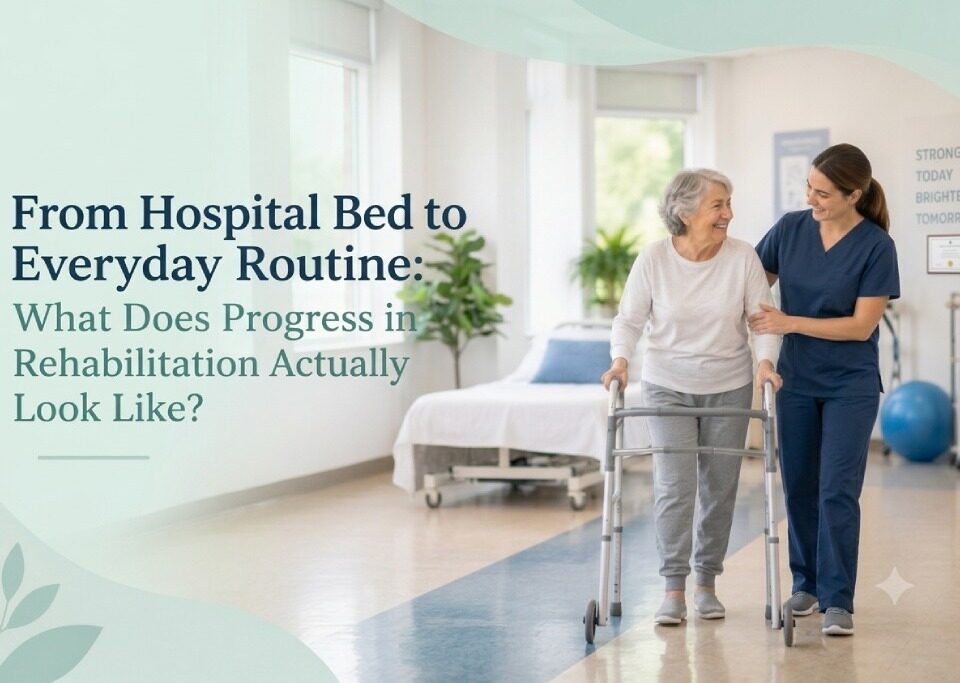
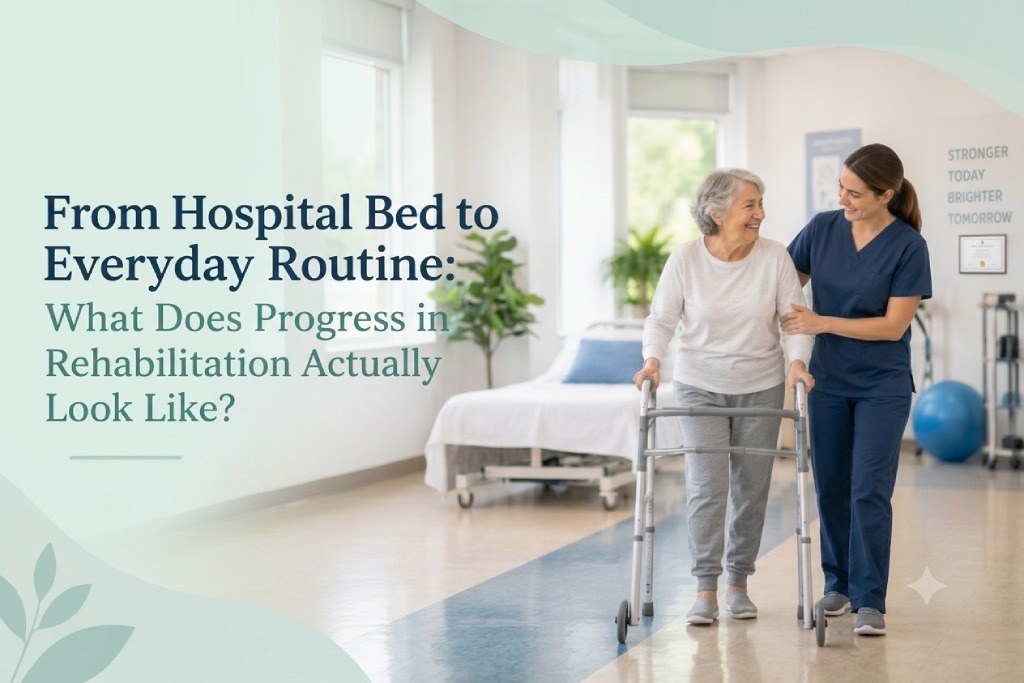
From Hospital Bed to Everyday Routine: What Does Progress in Rehabilitation Actually Look Like?
October 1, 2026
Recovery is personal, and the plan that guides it should be, too.
Two people can have the same surgery, experience a similar illness, or spend roughly the same amount of time in the hospital and still have very different needs when rehabilitation begins. One person may be eager to get back to walking independently, while another needs to focus first on safely getting in and out of bed, dressing, or completing other everyday activities. That is why rehabilitation should never feel like a one-size-fits-all process.
A personalized rehabilitation care plan considers the whole person, including their health needs, current abilities, previous level of independence, limitations, and goals for recovery. At Bayview Nursing & Rehabilitation Center, this individualized approach guides therapy and care throughout a resident’s stay. For families considering a rehabilitation program in New Bern, NC, understanding how personalized rehabilitation care works can make it easier to know what to expect, and why an individualized plan can be so valuable during recovery.
Jump To Section
The Basics
What Is a Personalized Rehabilitation Care Plan?
A personalized rehabilitation care plan is an individualized roadmap for a resident’s recovery. Rather than beginning with a standard set of exercises or expectations, the rehabilitation team evaluates what the resident can currently do, where challenges exist, and what they hope or need to accomplish.
The plan may consider factors such as:
Strength, mobility, balance, and endurance
The ability to complete activities of daily living
Communication, cognition, and swallowing
Medical history, a recent hospitalization or procedure, physician recommendations, and safety precautions
Personal goals matter, too. A resident who lives independently may need to safely manage transfers, walking, dressing, and other daily tasks before returning home. Someone who lives with family may have different goals based on the assistance available to them. Even the layout of a person’s home can affect which skills are most important to practice.
Personalization connects rehabilitation to the resident’s actual life, rather than treating therapy as a series of unrelated exercises.
Where Recovery Begins
It Begins With Understanding the Resident’s Starting Point
Before meaningful rehabilitation goals can be established, the care team needs to understand where the resident is beginning.
A resident entering senior rehab in New Bern, NC after hospitalization may have experienced significant changes in strength and function. Even someone who was active before becoming ill can feel weaker or less steady after spending several days in a hospital bed. Initial evaluations help identify these changes.
Depending on the resident’s needs, therapists may evaluate walking, balance, transfers, range of motion, strength, endurance, self-care abilities, communication, cognition, or swallowing. Nursing assessments may also provide important information about medical needs that could affect rehabilitation.
Families can contribute valuable information during this stage. Letting the team know what your loved one could do before hospitalization provides important context:
Were they walking without assistance?
Were they cooking their own meals?
Were they dressing independently?
Were they using stairs every day?
Understanding the difference between someone’s previous abilities and current abilities helps the team set goals that truly fit.
Setting Goals
Rehabilitation Goals Should Be Meaningful
Goals are one of the most important parts of a personalized rehabilitation care plan, but they should mean something to the resident. “Improve strength” may be clinically relevant, yet the reason behind that goal is often much more personal:
Stronger legs so they can stand from their favorite chair without assistance
Better balance so they feel more confident walking to the bathroom
More endurance because their home requires them to walk farther than they currently can
Connecting therapy to everyday life can make rehabilitation feel more purposeful. It also gives the resident, family, and care team a clearer way to recognize progress. Improvements that seem small on paper can make a meaningful difference in daily life.
Therapy Services
Different Therapies Can Address Different Recovery Needs
A personalized plan may involve more than one type of rehabilitation therapy, depending on the resident’s needs:
Physical therapy commonly addresses strength, balance, mobility, walking, transfers, and endurance. For a resident who has become weaker after surgery or hospitalization, these skills may be essential for moving more safely and confidently.
Occupational therapy focuses on the activities of everyday life. Dressing, bathing, grooming, toileting, and other routine tasks can become unexpectedly challenging after an illness or injury, and occupational therapists help residents practice them and learn techniques that support greater independence.
Speech-language pathology may be appropriate for residents experiencing challenges with speech, communication, cognition, or swallowing.
Not every resident needs every type of therapy. That is another reason personalized rehabilitation care matters: the services provided should reflect the individual’s actual needs rather than a predetermined formula.
Adapting Along the Way
Care Plans Can Change as the Resident Progresses
A rehabilitation care plan shouldn’t remain frozen in place from admission to discharge. Recovery changes over time. A task that was difficult during the first few days may become easier, while another challenge may become more apparent as the resident becomes more active.
Therapists monitor progress and adjust goals or interventions as appropriate. If a resident begins walking more independently, for example, therapy may shift toward endurance, balance, or other skills needed for the next stage of recovery.
There can also be days when progress feels slower. Fatigue, pain, medical conditions, sleep, and other factors can all affect rehabilitation. An individualized approach allows the care team to consider these variables with patience, rather than expecting every resident to progress on exactly the same timeline.
Working Together
Personalized Care Supports Better Coordination
Rehabilitation doesn’t happen in isolation. Residents receiving skilled nursing and rehabilitation may have several professionals involved in their care, depending on individual needs:
Nurses
Physical therapists and occupational therapists
Speech-language pathologists
Dietary professionals
Social services staff and other members of the care team
An individualized plan gives the whole team shared goals to work toward. A physical therapist may establish a safer way for a resident to transfer from a bed to a chair, and nursing staff can reinforce those techniques during daily routines. An occupational therapist may identify difficulties with dressing or bathing that should be considered when preparing for discharge.
When everyone understands the resident’s needs and goals, care can be better coordinated across every part of the day.
For Families
Family Involvement Can Strengthen the Rehabilitation Process
Families often know details about a resident’s routines and home life that aren’t immediately obvious during an assessment. Sharing that information helps the rehabilitation team understand what your loved one will need when they leave. If the goal is returning home, let the team know about:
Stairs and bathroom accessibility
Where the bedroom is located
Available caregiver support and other potential challenges
Any walker or other assistive device your loved one normally uses
Families can also ask about current goals and progress. Understanding what a loved one is working on can make conversations about recovery more encouraging and productive.
Most importantly, the resident should remain at the center of the process whenever possible. Personal preferences and priorities help shape goals that feel relevant rather than simply clinical.
Planning for Home
Personalized Rehabilitation Can Help Prepare for a Safer Transition
For many residents, short-term rehabilitation is one part of a larger journey from the hospital back to everyday life. As discharge approaches, the rehabilitation team considers whether the resident has made progress toward the skills needed for the next setting, such as:
Walking safely with an assistive device
Completing certain daily activities
Transferring with less assistance
Using strategies to manage ongoing limitations
Discharge recommendations depend on individual circumstances and may include additional therapy, home health services, equipment, caregiver assistance, or medical follow-up.
A personalized plan keeps the destination in mind throughout rehabilitation. Instead of simply asking, “Is therapy finished?” the more useful question becomes, “What does this person need to safely manage the next stage of recovery?”
Our Approach
Personalized Rehabilitation at Bayview
At Bayview, rehabilitation is centered on the needs and goals of each individual resident. For families exploring a rehabilitation program in New Bern, NC, this personalized approach means looking beyond a diagnosis and considering the resident’s abilities, challenges, previous independence, and hopes for the future.
Whether someone is recovering after surgery, illness, injury, or hospitalization, rehabilitation may involve rebuilding strength, improving mobility, practicing daily activities, addressing communication or swallowing concerns, or preparing for the transition home.
The path forward will not look exactly the same for every person, and it shouldn’t. Through personalized rehabilitation care, residents work toward goals that are meaningful to their lives while receiving support from a coordinated care team right here in New Bern. For those seeking senior rehab in New Bern, NC, an individualized rehabilitation plan provides structure and direction while helping residents work toward safer movement, greater function, and as much independence as possible.
Common Questions
Frequently Asked Questions About Personalized Rehabilitation Care
What is included in a personalized rehabilitation care plan?
A personalized rehabilitation care plan may include individualized therapy goals, nursing considerations, mobility needs, activities of daily living, safety precautions, and discharge goals. Depending on the resident’s needs, the plan may involve physical therapy, occupational therapy, speech-language pathology, or a combination of services.
How are rehabilitation goals chosen?
Rehabilitation goals are typically based on assessments of the resident’s current abilities, medical needs, previous level of function, safety considerations, and personal priorities. Goals may also take into account where the resident expects to go after rehabilitation and what skills will be important in that environment.
How often can a rehabilitation care plan change?
A rehabilitation plan can be adjusted as a resident’s abilities and needs change. The care team monitors progress throughout the stay and may modify goals or approaches based on improvements, ongoing challenges, medical considerations, and discharge needs.
How can families help with personalized rehabilitation care?
Families can share information about the resident’s previous abilities, daily routines, home environment, personal preferences, and available support. They can also participate in appropriate care discussions and ask questions about rehabilitation goals and preparation for discharge.
What should families look for in a rehabilitation program in New Bern, NC?
When comparing a rehabilitation program in New Bern, NC, families can ask about available therapy services, how individualized plans are developed, how progress is evaluated, how the rehabilitation and nursing teams communicate, and how residents are prepared for their next transition. For senior rehab in New Bern, NC, it is also important to consider whether the program can address the individual’s specific medical, functional, and personal needs.
Let’s Build a Recovery Plan Around Your Loved One
Our rehabilitation team in New Bern is here to answer your questions, walk you through how personalized care plans work, and help your family plan the next step with confidence. Schedule a tour or talk with our admissions team today.